
A pediatric nurse, or peds nurse, treats children in settings such as primary care and acute care. Learning how to become a pediatric nurse starts with researching nursing schools and applying to a BSN program. After earning a BSN, pass the NCLEX-RN to obtain a nursing license.
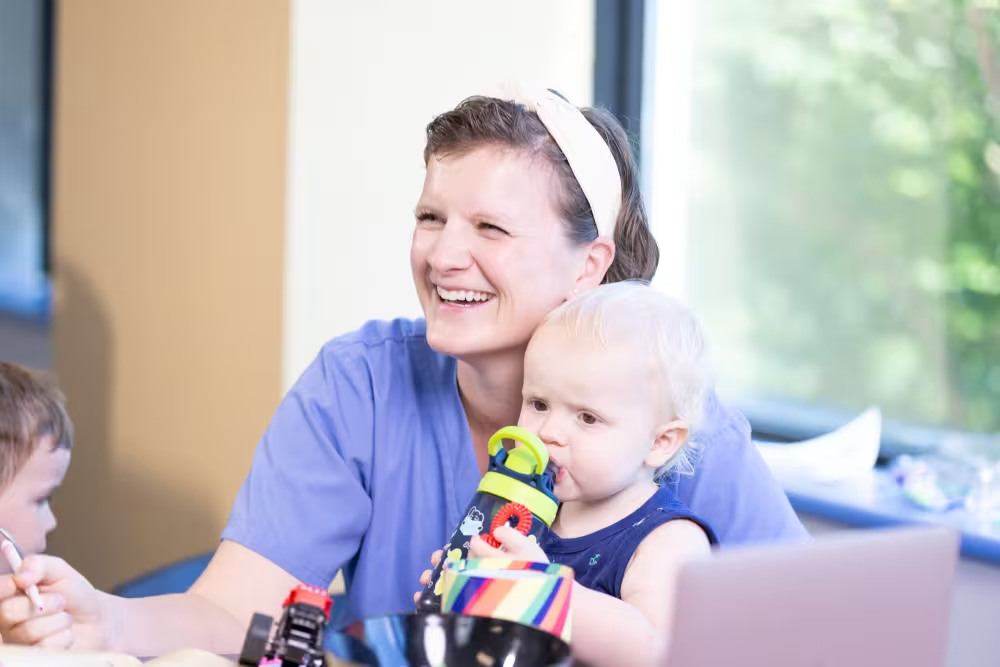
To become a pediatric nurse, you’ll need to earn a nursing degree and obtain licensure by passing the NCLEX-RN exam. After gaining clinical experience, you may decide to obtain certification in your specialty. Learning how to become a pediatric nurse can be an appealing option for nursing students interested in working with younger patients. Pediatric nurses, also called peds nurses, may work in acute care, family care and other settings.
If you have a completed bachelor’s degree or have existing college credits, you could earn a nursing degree faster with Notre Dame of Maryland University’s (NDMU) Accelerated Bachelor of Science in Nursing (ABSN) program. Our ABSN program confers a Bachelor of Science in Nursing (BSN) degree in as few as 15 months through online and on-campus delivery modalities.
While you’re planning your future in nursing, consider questions like, “What is a pediatric nurse?” and “How much does a pediatric nurse make?” You should also explore the career pathway and learn about career growth opportunities in pediatric nursing.
What Is a Pediatric Nurse?
A pediatric nurse is a provider, typically a registered nurse (RN), who treats children from infants through adolescence. Children have unique developmental and health care needs, so pediatric nurses need a strong knowledge of lifespan development, developmental milestones and the illnesses and injuries that commonly affect young patients.
Where Do Pediatric Nurses Work?
Peds nurses can work in acute care settings, such as emergency departments, urgent care centers and children’s hospitals. They may also work in specialty and outpatient clinics, such as pediatric neurology or oncology centers. Pediatric nurses who focus on preventive care are typically found in pediatrician and family practice settings. Nurses also care for children in schools.
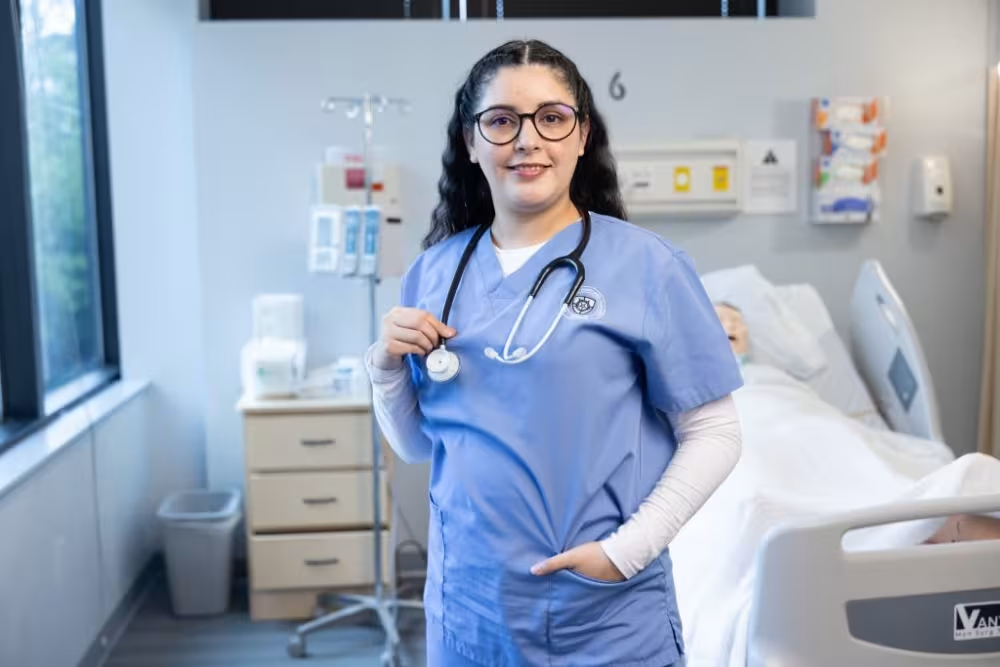
Discover how to choose a nursing school that aligns with your needs and values.
How to Become a Pediatric Nurse: Step-by-Step Guide
The process of how to become a pediatric nurse starts with finding a nursing school that fits your needs. Consider whether you’re interested in an accelerated pathway, whether you may be eligible for it and whether you’d like to complete coursework online. Accreditation, location and student support are other factors to consider, along with admission requirements.
Apply to Nursing School
After selecting a nursing school that works for you, you can contact an admissions advisor to discuss your eligibility. At NDMU, you may be eligible if you have a completed bachelor’s degree or have prior college credits in any field other than nursing. No prior health care experience is required. You’ll also need to meet minimum GPA requirements and complete the prerequisites.
The admission process requires:
- A minimum composite score of 65% on the Test of Essential Academic Skills (TEAS)
- Two letters of recommendation from supervisors
- Personal essay
- Current resume
- Completed application form
Your admissions advisor at NDMU will walk you through the admissions process step by step, answering your questions and providing personalized guidance along the way.
Earn a BSN
The next step toward becoming a peds nurse is to complete the degree program. At NDMU, you can choose from online or in-person coursework. If you prefer in-person classes, you’ll attend them at our main campus. If you prefer online classes, you’ll visit our learning site for in-person learning components.
In-person learning experiences include nursing skills labs, which teach clinical skills such as performing patient assessments, administering medications and inserting nasogastric tubes. You’ll also participate in nursing simulation labs, which walk you through many different patient care scenarios. You'll learn to apply the nursing process in a safe, clinical-like setting, responding to simulated situations like cardiac arrest and septic shock.
The third main component of nursing education is clinical experiences. During clinicals, you’ll work shifts at nearby health care facilities alongside clinical nursing instructors and your preceptor. You’ll gain experience providing direct patient care in a variety of practice areas, including pediatrics and labor and delivery.
Pass the NCLEX-RN
Your final hurdle before you can become a pediatric nurse is to pass the NCLEX-RN licensure exam. The NCLEX-RN tests your clinical judgment and nursing knowledge. It assesses how you apply critical thinking skills in various clinical situations to develop appropriate nursing responses that prioritize patient safety and promote positive outcomes.
Students typically take the exam within a month or two of graduation. This provides time for intensive study ahead of the exam date, but it’s a good idea to start preparing for it while you’re still in nursing school. After passing the exam, you can obtain your nursing license and apply to pediatric nursing jobs.

There are many other nursing specialties to consider, such as neonatal nursing.
How Many Years to Become a Pediatric Nurse?
It may take a minimum of about two to four years to become a pediatric nurse, depending on your starting point and your choice of nursing program. If you already have a bachelor’s degree in a non-nursing field, you may be eligible to apply to NDMU’s ABSN program. After completing any needed prerequisites, you could graduate in as few as 15 months. After graduation, you can take the NCLEX-RN, typically within a month or two.
If you don’t have a non-nursing bachelor’s degree, you can enroll in a traditional BSN program, which typically takes four years to complete. You’ll also need to pass the NCLEX-RN after graduation.
How Much Does a Pediatric Nurse Make?
According to the U.S. Bureau of Labor Statistics (BLS), all types of RNs made a median annual salary of $97,550 as of May 2025. Although the BLS does not offer salary data specific to pediatric nursing, the salary expectations for all types of RNs may provide insight as to what you might expect. Salary can vary based on many factors, including geographic location, years of experience, health care employer and additional credentials, such as certifications.
Career Growth Opportunities in Pediatric Nursing
There are many ways to nurture your career in pediatric nursing. After gaining clinical experience, you may pursue certification in your specialty. There are numerous certification options, such as the Certified Pediatric Nurse credential from the Pediatric Nursing Certification Board.
Another way to advance your career is to become an advanced practice registered nurse (APRN), such as a pediatric nurse practitioner (PNP). You’ll need to earn a graduate degree in nursing, such as a Master of Science in Nursing (MSN). You’ll also need to pass the board certification exam in pediatric nursing and obtain APRN licensure from your state.
As a PNP, you may work in primary care or acute care settings. You’ll serve as a nurse leader and mentor, helping to elevate the standard of care while continuing to work directly with young patients and their families.
Is Pediatric Nursing Right for You?
Now that you know how to become a pediatric nurse, is it the right choice for you? Pediatric nursing could be right for you if you’re passionate about supporting young children and promoting health early in life. This nursing specialty also offers a variety of options, with plenty of work settings to choose from. Additionally, pediatric nurses in primary care may have opportunities to develop close working relationships with young patients and their families over many years.
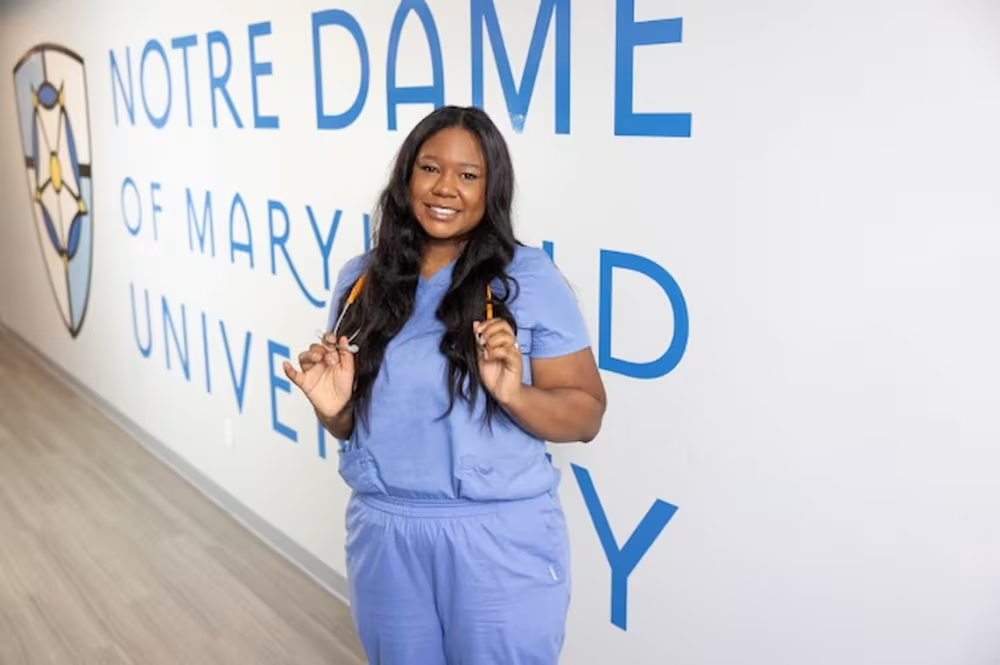
Earn Your BSN Degree at Notre Dame
Earn your BSN in as few as 15 months at NDMU upon successful completion of the prerequisites. Here, you’ll receive individualized, hands-on learning opportunities, with academic success coaches and tutoring services available, and faculty mentorship facilitated by our small class sizes. Choose from online or in-person coursework and work through a values-based curriculum.
Request information to learn more and get in touch with an admissions advisor.